Exploring Nature with Your Child is tomorrow - Thursday, March 13, 2014.
Hope to see you there.
Wednesday, March 12, 2014

Monday, March 10, 2014
Spring Salamander

Al confirmed that the salamander brought to ENWYC on 02/27/14 is
a Spring Salamander, Gyrinophilus porphyriticus. It is an
adult and, believe it or not, one of it's principal diet items is other
salamanders.
For a
good description of Spring Salamanders, go to http://www.herpsofnc.org/herps_of_nc/salamanders/Gyrpor/Gyr_por.html.
There is also a neat photo on the page of a Spring Salamander eating another
salamander.
Wednesday, March 5, 2014
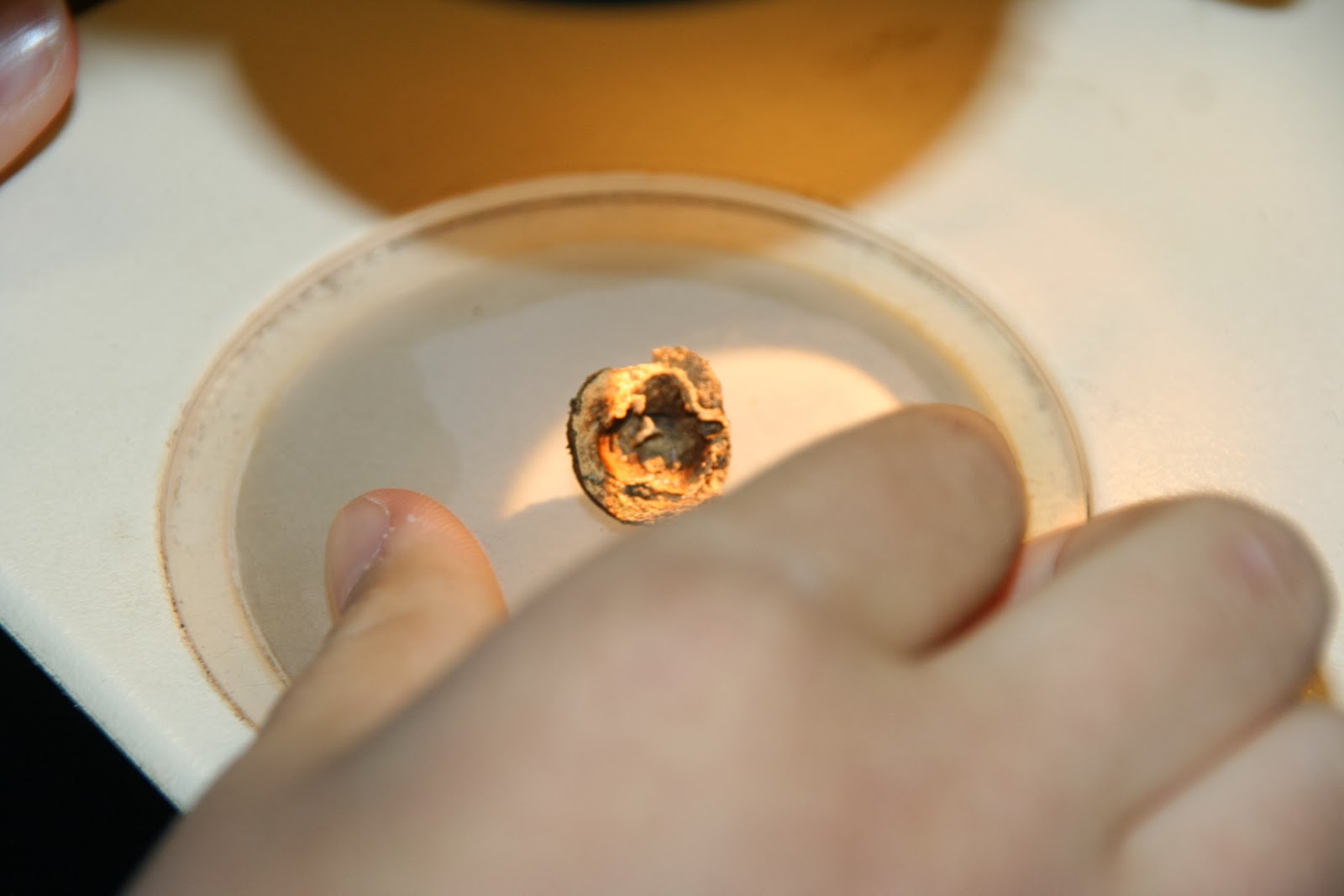
Is it rock or man-made? from 02/06/14
After consulting with FSC staff members, it is thought to be a man-made artifact, possibly a piece of a ceramic pot. It may be a piece of an ear that broke off.

Recap 02/27/14
- Hackberry petiole gall psyllid
- polythalmous
- separate compartments
- several developing in each compartment
- as many as 13 per gall
- develop through summer and over winter
- heavily infested trees are recognizable through the winter by the presence of dead leaves
- infested leaves do not fall off


- the adult resembles a small cicada
- have piercing sucking mouth parts
- phloem feeders
- sap feeders

- Spider cocoon with eggs


- Leaf hopper
- Salamander

- Geode

- 1st year female pinecone
- Leaf skeleton

- Coal

- Sycamore seed pods
- Big leaf magnolia buds


- Beech leaves
- Beech keeps track of the length of the day, which then signals the leaf to drop

Follow-up from 02/06/14
Winter Wren
 |
| From the Ohio Bird Banding website |
Bagworm Moth | ||||||||||||||||||||||||||||||||||||
From Wikipedia
| ||||||||||||||||||||||||||||||||||||
Recap 02/06/14
Fungi
It is important to understand how the dead stuff is recycled. This know-how will help us protect our universe.
Mushrooms recycle stuff. They break down the cellulose in leaves.


It is important to understand how the dead stuff is recycled. This know-how will help us protect our universe.
Mushrooms recycle stuff. They break down the cellulose in leaves.
Lion's mane mushrooms promote growth of nerve tissue.
A look through the microscope
Other finds
- Pupal casing of a bagworm moth larvae
- feeds on leaves of a shrub
- Winter wren feather
- A winter wren is 3 fingers wide and weighs .3 to .4 ounces.
- Unknown object
- very hard; can't scrape
- Is it rock or man-made?
- Best guess is sedimentary rock
- Mohs
- Beech nut hull
- Cicada casing
- 1/2 hog's heart
- from a 300 lb. hog
Tuesday, March 4, 2014
Eagle and owl cams
There is a neat webcam of an eagle nest at http://www.berry.edu/eaglecam/. There
is one eaglet, mom, dad, and one egg. A Berry College eagle expert has
determined the egg is not viable. There is a link to a video where the dad
buries the egg in the nest and the mom unburies it.
There is also an owl cam at http://www.ustream.tv/okcowlcam. The
owl cam is setup on the window sill of a homeschooler.
ENWYC 11/21/13
Today we made leaf rubbings from a variety of different leaves.


We also had a visitor.

We also had a visitor.
Show and Tell 10/24/13
We were missing our illustrious leader. Yet, we still enjoyed our show and tell.


Show and Tell 09/26/13
- Tarantulas
- highlight of the night
- able to hold the tarantula
- pre-digest their prey by injecting venom
- has an exoskeleton
- discarding of exoskeleton = molting
- two types
- Brazilian black tarantula

- Bolivian tarantula
- juvenile

- Froghopper
- a froth hides nymphs from view of predators
- Spittle bug larvae
- spittle bugs can jump 100 times there length
- Feathers
- Coopers hawk feather
- woodland hawk
- mostly eats birds
- Woodpecker feathers

Coopers hawk feather and woodpecker feathers

Unknown feathers
- Brown snake
- Rosie Boa


- snake skin is much longer than the snake

- snakes shed their skin to grow bigger, rid themselves of parasites, and make repairs
- lens over eye gets scratched up so the new skin means a fresh lens

- Duckweed
- lives in water
- underside is dark pink
- has leaves and roots but no stem
- tiny flower
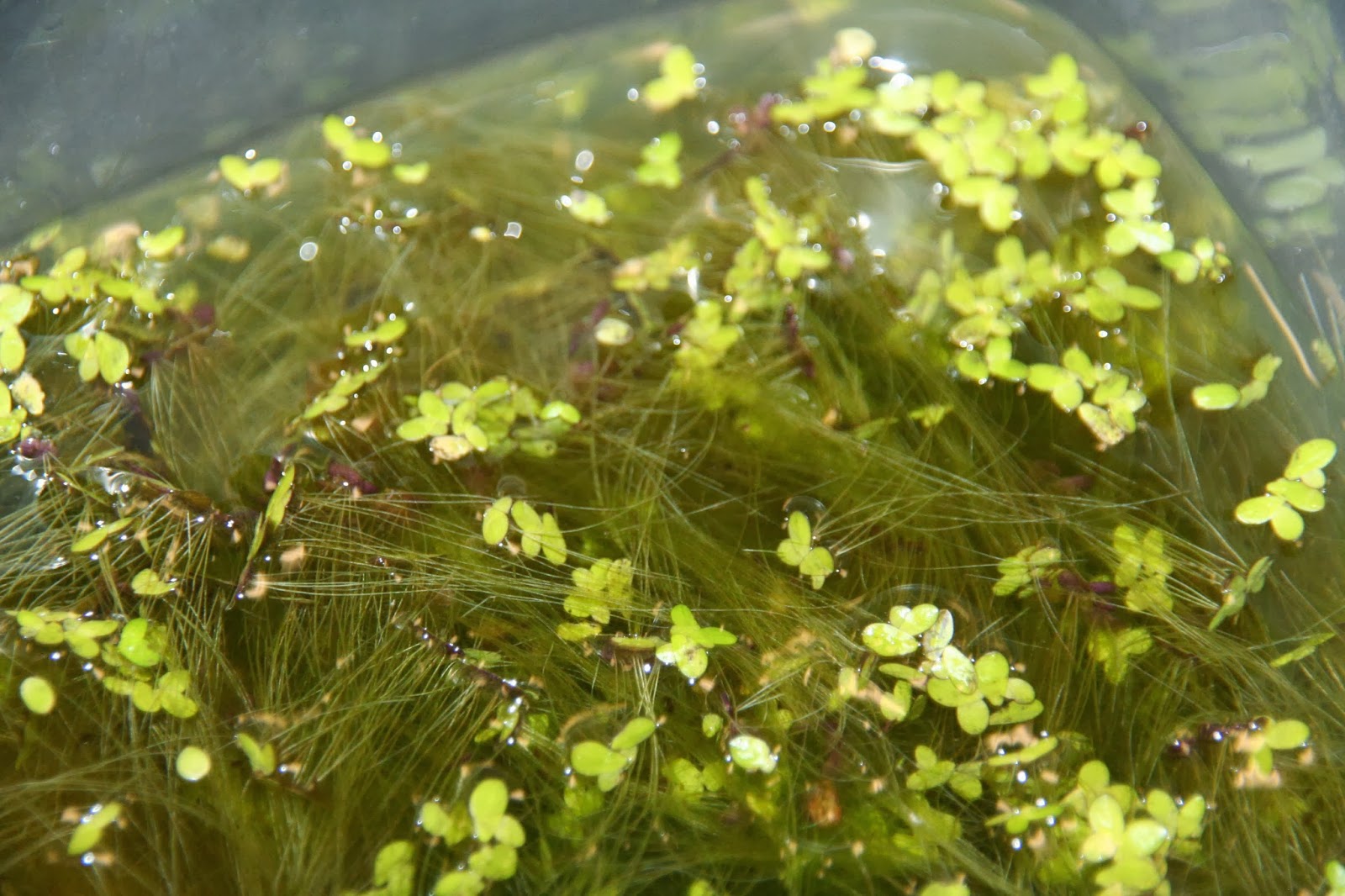
- Bladder wort
- black spots = bladder
- carnivorous
Subscribe to:
Comments (Atom)